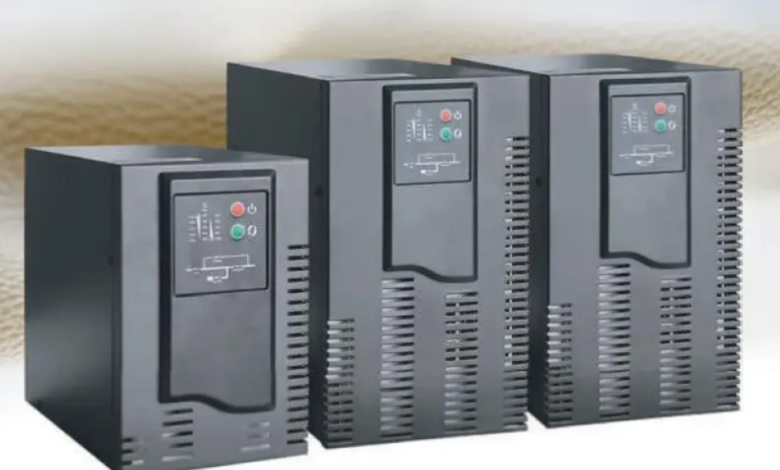
In today’s fast-paced digital world, a reliable power source is crucial for homes, businesses, and industrial applications. Power interruptions, fluctuations, and outages can lead to data loss, equipment damage, and operational downtime. This is where a UPS power system becomes an indispensable component of modern electrical infrastructure.
What is a UPS Power System?
A UPS (Uninterruptible Power Supply) power system is an electrical device that provides backup power to connected equipment when the main power source fails or experiences fluctuations. Unlike conventional generators, a UPS system activates instantly, ensuring that sensitive electronics continue to operate without disruption. It stabilizes voltage, protects against power surges, and maintains continuity for critical operations.
See also: Master the Art of Virtual Meetings with Smart AI Features and Speaker Tracking
Key Components of a UPS Power System
Understanding the components of a UPS system helps in choosing the right solution for your needs:
- Battery Bank: The heart of the UPS system. It stores energy to supply power during outages.
- Rectifier/Charger: Converts incoming AC power to DC to charge the batteries.
- Inverter: Converts DC power from the batteries back to AC power for connected devices.
- Static Bypass Switch: Automatically redirects power from the mains in case of inverter failure.
- Control and Monitoring Unit: Manages battery status, load distribution, and alerts for maintenance.
Types of UPS Power Systems
UPS systems vary based on how they provide power and the level of protection they offer:
- Offline/Standby UPS
This type supplies power from the mains under normal conditions and switches to battery power during an outage. It is ideal for personal computers and small office setups. - Line-Interactive UPS
Provides voltage regulation in addition to battery backup. It is suitable for small businesses with fluctuating power conditions. - Online/Double-Conversion UPS
Offers the highest level of protection by continuously converting incoming AC power to DC and back to AC, eliminating power disturbances entirely. It is widely used in data centers, hospitals, and industrial applications.
Advantages of Using a UPS Power System
Implementing a UPS system offers multiple benefits:
- Uninterrupted Operations: Keeps critical devices running during power outages.
- Voltage Stabilization: Protects sensitive electronics from fluctuations and surges.
- Data Protection: Prevents loss of valuable data by providing instant backup power.
- Extended Equipment Life: Reduces wear and tear on electrical devices caused by unstable power.
- Peace of Mind: Ensures business continuity and operational reliability.
Applications of UPS Power Systems
UPS power systems are widely used across various sectors:
- Information Technology: Data centers, servers, and network devices.
- Healthcare: Medical equipment requiring continuous power.
- Industrial Automation: Machinery and control systems in factories.
- Telecommunication: Communication networks and switching systems.
- Residential Use: Home offices, entertainment systems, and security devices
Maintenance Tips for UPS Systems
Proper maintenance ensures long-term performance and reliability:
- Regularly check battery health and replace aging batteries.
- Keep the system clean and free from dust.
- Monitor temperature and ventilation to prevent overheating.
- Conduct routine load testing to ensure proper operation.
- Schedule professional inspection annually for large UPS installations.
FAQs About UPS Power Systems
Q1: How long can a UPS power system provide backup?
A: Backup duration depends on battery capacity and load requirements. Small UPS systems may provide 5–30 minutes, while larger industrial units can sustain power for several hours.
Q2: Can a UPS system protect against lightning?
A: Yes, UPS systems with surge protection can safeguard connected devices from minor surges, but extreme lightning strikes may still require additional protection.
Q3: Is a UPS system necessary for home use?
A: While not essential for all households, a UPS can protect sensitive electronics like computers, Wi-Fi routers, and home entertainment systems from outages and voltage fluctuations.
Q4: How often should UPS batteries be replaced?
A: Typically, UPS batteries last 3–5 years, depending on usage and environmental conditions.
Q5: Can I connect multiple devices to one UPS system?
A: Yes, but ensure the total load does not exceed the UPS’s rated capacity to avoid overload and potential failure.
Conclusion
A UPS power system is no longer a luxury—it’s a necessity for anyone relying on consistent power supply. From protecting critical business operations to safeguarding personal electronics, UPS systems ensure continuity, stability, and reliability. By understanding its types, components, and applications, you can make informed decisions to maintain uninterrupted power and prevent costly disruptions. Investing in a quality UPS system is a proactive step toward energy security and operational efficiency.